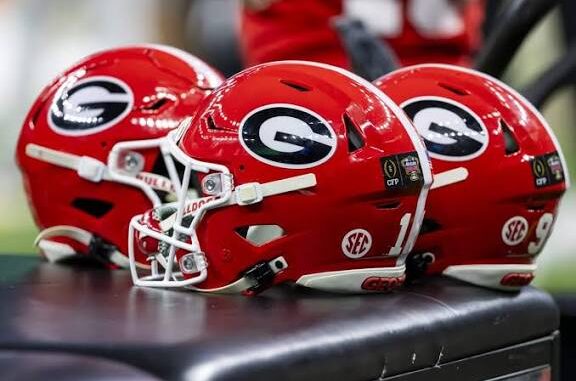
The Georgia Bulldogs football program is once again facing unwanted headlines after two more players were arrested on driving-related charges, continuing a troubling pattern that has followed the team in recent years. The latest incidents have reignited debate about accountability, culture, and the responsibility that comes with representing one of college football’s premier programs.
According to local reports, both players were taken into custody in separate incidents involving traffic violations. While the specific details of each case differ, the charges are understood to involve excessive speeding and other driving infractions. Authorities processed the players through the local system before releasing them on bond.
The developments place renewed scrutiny on the University of Georgia athletic department and its leadership. Head coach Kirby Smart has previously addressed similar issues within the program, emphasizing that player safety and adherence to the law are non-negotiable standards. However, repeated incidents have led critics to question whether enough is being done to curb risky behavior behind the wheel.
Georgia’s football program has enjoyed extraordinary success on the field, including multiple national championships in recent seasons. The Bulldogs have established themselves as a powerhouse in the NCAA Division I Football Bowl Subdivision and a dominant force within the Southeastern Conference. Yet, off-field concerns have at times threatened to overshadow those accomplishments.
Driving-related arrests have become a particularly sensitive topic in Athens. In past years, incidents involving speeding and reckless driving drew national attention and prompted calls for stricter internal discipline. University officials responded by implementing educational programs, enhanced monitoring, and team-wide discussions about responsible decision-making. Despite those measures, the recurrence of similar charges suggests the challenge remains ongoing.
In a brief statement, the athletic department acknowledged awareness of the arrests and stated that the matter would be handled internally in accordance with team policies. Typically, such cases can result in disciplinary measures ranging from mandatory counseling and community service to suspensions from team activities, depending on the severity of the offense and whether it is a repeat violation.
For Coach Smart, the situation presents both a disciplinary and cultural test. Maintaining a championship-caliber program requires discipline and unity, but it also demands that players understand the broader consequences of their actions. With the Bulldogs consistently sending large numbers of athletes to the NFL, scouts and professional teams also pay close attention to character and off-field conduct.
Fans, meanwhile, have expressed frustration and concern. Many supporters argue that representing Georgia football carries immense privilege and responsibility. They worry that repeated headlines about arrests could damage the program’s reputation and distract from preparations for the upcoming season.
At the same time, some observers note that college athletes are young adults navigating intense pressure, public attention, and newfound independence. They argue that while accountability is essential, education and mentorship are equally important in shaping long-term behavior.
Ultimately, the latest arrests underscore a broader issue that extends beyond wins and losses. For the Bulldogs, the path forward will likely involve renewed emphasis on education, stronger enforcement of team rules, and continued dialogue between coaches, players, and university officials.
Georgia football’s success has set a high standard nationally. Now, the focus shifts once more to ensuring that excellence off the field matches the dominance the program continues to display on Saturdays.
Be the first to comment