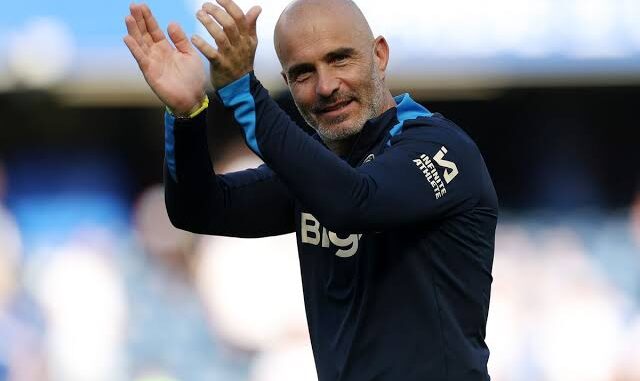
Leicester City have reportedly made contact with Enzo Maresca over a sensational return to the King Power Stadium — and indications suggest the Italian would welcome the opportunity to come back.
It is a move that would carry both logic and emotion. Maresca’s previous spell with the Foxes delivered one of the most cohesive and stylistically clear campaigns in recent club history. His possession-heavy philosophy, structured build-up play and tactical discipline guided Leicester to promotion at the first attempt, with the side collecting over 90 points and scoring more than 85 league goals. That season re-established an identity after the turbulence of relegation and provided supporters with a brand of football they could believe in again.
Now, with Leicester searching for renewed stability and direction, turning back to a familiar architect makes sense.
Maresca’s influence during his earlier tenure went beyond results. He reshaped the squad’s mentality, empowering younger players while demanding technical precision from experienced figures. The Foxes regularly dominated possession — often averaging close to 65 percent per match — but crucially paired control with attacking intent. The balance between structure and freedom allowed key players to flourish in defined roles, whether inverting full-backs into midfield or encouraging wide players to isolate defenders in one-v-one situations.
That tactical clarity has arguably been missing since his departure.
Sources suggest Leicester’s hierarchy view Maresca as someone who understands both the club’s modern ambitions and its cultural fabric. He connected strongly with supporters, often speaking about building “a sustainable idea” rather than chasing short-term fixes. For a club that has experienced dramatic highs — including a Premier League title and FA Cup triumph in the past decade — but also painful setbacks, that steady philosophy is appealing.
From Maresca’s perspective, the interest could arrive at an ideal moment. Returning to Leicester would not simply represent nostalgia; it would offer unfinished business. While his first spell achieved promotion and restored pride, the project always felt designed for a longer arc. The infrastructure, training-ground improvements and recruitment strategy were aligned with his footballing principles. Picking up that blueprint again might allow him to refine rather than rebuild.
There are, of course, practical obstacles. Compensation packages, contractual situations and timing will shape whether contact evolves into formal negotiations. Leicester must also weigh the financial implications carefully, particularly if they are balancing investment in the squad with managerial changes. Stability off the pitch will be essential if they are to convince Maresca that conditions are right for success.
Yet sentiment cannot be discounted. Modern football is rarely patient, and genuine alignment between club and coach is uncommon. During his previous tenure, Leicester averaged nearly two goals per game while conceding significantly fewer than most promotion rivals. That statistical profile reflected a team in control, not one surviving on moments. Supporters remember that fluency — the controlled build-up, the rotating midfield triangles, the calm authority in tight matches.
If Maresca truly wants to return, that desire matters. Managers do not often openly entertain second spells unless emotional ties are strong. Leicester, meanwhile, appear aware that revisiting a proven formula could steady a club that has oscillated between ambition and uncertainty.
For now, discussions remain exploratory. But the idea alone has reignited excitement among sections of the fanbase. A reunion would not guarantee instant success — football rarely offers such assurances — yet it would represent a deliberate step back toward a clear identity.
And in times of instability, clarity can be the most valuable signing of all.
Be the first to comment