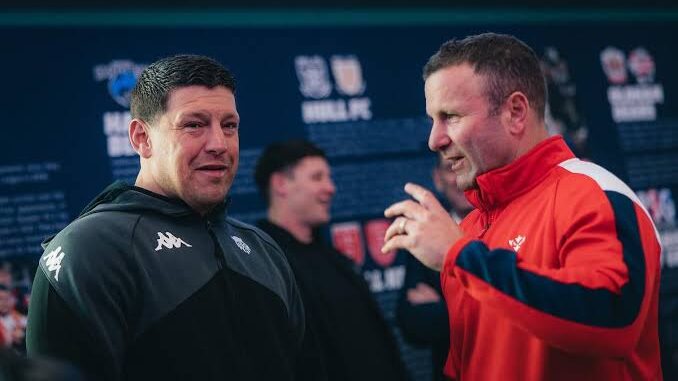
Wigan Warriors head coach Matt Peet has offered a measured and thoughtful assessment of the Super League salary cap debate ahead of a crucial meeting between club executives and league officials. With finances, competitiveness and long-term sustainability all under scrutiny, Peet’s comments reflect both the ambition of a top club and the realities facing the wider game.
The salary cap has long been a defining feature of Super League, designed to promote parity and prevent wealthier clubs from dominating through financial muscle alone. As discussions intensify over whether the cap should be increased, restructured or more strictly enforced, Peet stopped short of taking an extreme position. Instead, he acknowledged the complexity of the issue.
“There are strong arguments on both sides,” Peet suggested, emphasizing that any decision must protect the health of the competition as a whole. For a club like Wigan, traditionally one of the league’s powerhouses, the temptation might be to push aggressively for a higher spending limit. However, Peet’s stance appeared rooted in balance rather than self-interest.
He highlighted that the cap plays a vital role in maintaining competitive integrity. Supporters want unpredictability and meaningful contests each week, not a league where outcomes feel predetermined by budgets. At the same time, Peet recognised that the modern rugby league landscape is increasingly competitive, particularly when attracting and retaining elite talent who may have opportunities in the NRL or rugby union.
Wigan’s recent recruitment strategy has blended homegrown development with selective marquee signings. Peet pointed to the importance of nurturing academy players and building culture rather than simply relying on financial leverage. In his view, a well-structured cap can incentivise clubs to invest in youth pathways and infrastructure, ensuring sustainability beyond short-term success.
Yet he did not ignore the financial pressures clubs face. Rising operational costs, player welfare commitments and the need to enhance the matchday experience all strain budgets. Peet acknowledged that if the cap remains static while costs increase, it could inadvertently weaken the product on the field.
The upcoming meeting is expected to involve robust debate among club owners and league administrators. Some argue that a modest increase in the cap could raise overall standards and help English clubs compete internationally. Others warn that widening the financial gap between top and bottom teams could create instability and risk overspending.
Peet’s verdict seemed to call for strategic evolution rather than radical overhaul. He hinted that flexibility—perhaps through targeted exemptions or incentives—might be preferable to a blanket rise. Such mechanisms could reward clubs that develop domestic talent or invest in grassroots growth, aligning financial policy with long-term vision.
Importantly, Peet framed the discussion around responsibility. As custodians of the sport, coaches and executives must look beyond immediate competitive advantage. “It’s about what’s best for the game,” he indicated, reinforcing that unity among clubs will be essential in reaching a workable solution.
For Wigan supporters, Peet’s comments underline a club confident in its structure and identity. Rather than lobbying for unchecked spending, the Warriors appear prepared to operate within a system that promotes fairness—provided it evolves sensibly with the times.
As the meeting approaches, the tone set by voices like Peet’s may prove influential. His considered approach acknowledges ambition without dismissing caution. In a sport navigating financial realities and aspirational growth, that balance could be exactly what Super League needs.
Be the first to comment