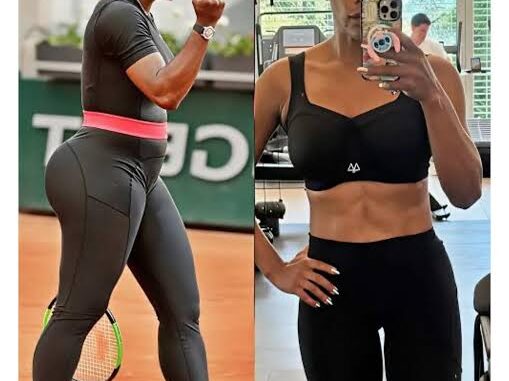
Serena Williams has never shied away from redefining greatness, and now the 23-time Grand Slam champion is once again reshaping the conversation — this time around health, body image, and life after elite sport. In a candid revelation, Williams has said that a weight loss drug she began using after retirement has helped her feel healthier than she did during much of her historic tennis career.
For an athlete synonymous with power, endurance, and physical dominance, the admission surprised many fans. But for Williams, the statement reflects a broader truth about the intense demands of professional sport — and the physical toll that often remains hidden behind trophies and records.
Throughout her career, Williams carried a body built for explosiveness, strength, and resilience. That physique helped her dominate opponents for more than two decades, but it also came with constant strain. Grueling training schedules, repeated injuries, surgeries, and the pressure to compete through pain became normal parts of life on tour. By her own account, “healthy” during her playing days often meant “functional enough to compete,” rather than truly well.
Since stepping away from tennis, Williams has shifted her priorities. Motherhood, business ventures, and personal well-being now take center stage. As part of that transition, she explored medically supervised weight loss options, including a prescription drug designed to support metabolic health. According to Williams, the results went beyond appearance — improving energy levels, joint comfort, and overall quality of life.
“I feel lighter, more balanced, and less inflamed than I did when I was playing,” she explained. “I was incredibly fit back then, but my body was always under stress.”
Her comments have sparked widespread debate. Some fans celebrate the honesty, applauding Williams for challenging the idea that elite athletic performance automatically equals optimal health. Others worry about the growing popularity of weight loss medications and the message it may send, particularly to young athletes and women navigating body expectations.
Williams has been careful to frame her experience as deeply personal, not prescriptive. She has emphasized that what works for her may not work for others and that medical guidance is essential. Importantly, she has not suggested that she regrets her playing body — only that different stages of life require different approaches to health.
Experts note that this distinction matters. High-performance athletes often operate at the edge of physical sustainability, prioritizing results over longevity. Post-retirement, many discover that their bodies need healing, not optimization. In that context, Williams’ comments reflect a common — if rarely discussed — reality.
The conversation also touches on broader cultural issues. For years, Williams faced intense scrutiny over her body, often criticized for not fitting traditional ideals of femininity in sport. By openly discussing weight loss, health, and self-acceptance on her own terms, she continues to reclaim control of her narrative.
Ultimately, Serena Williams’ latest chapter is less about medication and more about autonomy. It is about acknowledging that health is not static, that elite success can come at a cost, and that listening to one’s body — even after conquering the world — is an act of strength.
Just as she once changed how tennis was played, Williams is now challenging how we define wellness after greatness.
Be the first to comment