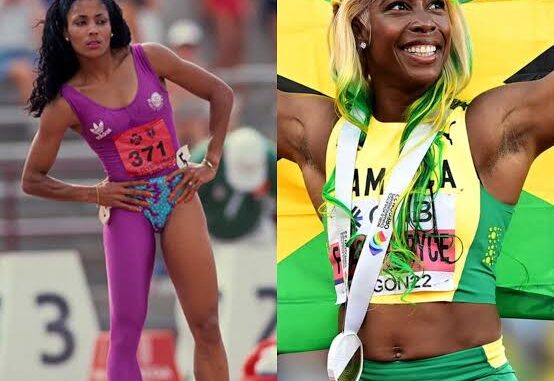
The debate over who is the greatest female sprinter of all time is one that continues to spark passionate discussion among
athletics fans. Sprinting, particularly in the 100m and 200m events, has produced a number of iconic athletes whose achievements, records, and longevity make them worthy contenders. While there is no universally agreed answer, several names consistently rise to the top.
One of the most frequently mentioned athletes in this conversation is Florence Griffith-Joyner. Known for her electrifying speed and unmistakable style, Griffith-Joyner set world records in the 100m (10.49 seconds) and 200m (21.34 seconds) in 1988—records that still stand today. Her dominance at the Seoul Olympics, where she won three gold medals, cemented her place in history. The longevity of her records gives her a strong case as the greatest, as no other female sprinter has come close to surpassing her times decades later.
However, greatness is not only about records; consistency and longevity also matter. This is where Shelly-Ann Fraser-Pryce stands out. The Jamaican star has enjoyed an extraordinary career spanning more than a decade, winning multiple Olympic and World Championship titles. Fraser-Pryce became the first Caribbean woman to win Olympic gold in the 100m in 2008 and has since added numerous global titles to her name. Her ability to remain competitive at the highest level well into her 30s is remarkable and speaks to her discipline and resilience.
Another major contender is Elaine Thompson-Herah. At the Tokyo 2020 Olympics (held in 2021), Thompson-Herah delivered one of the most dominant sprint performances in history, winning gold in both the 100m and 200m while recording the second-fastest times ever in both events. She also successfully defended her Olympic titles from Rio 2016, making her one of the most accomplished sprinters in Olympic history. Her peak performances rival even those of Griffith-Joyner, making her a strong candidate in the debate.
It is also important to consider pioneers like Wilma Rudolph, who became an international icon after winning three gold medals at the 1960 Rome Olympics. Rudolph’s achievements went beyond the track, as she broke barriers and inspired generations of athletes, particularly women and African Americans, to pursue excellence in sports.
Ultimately, determining the greatest female sprinter depends on the criteria used. If world records and peak dominance are the focus, Florence Griffith-Joyner often takes the crown. If longevity and sustained excellence are prioritized, Shelly-Ann Fraser-Pryce makes a compelling case. Meanwhile, Elaine Thompson-Herah represents a modern blend of speed and championship success that cannot be ignored.
In truth, the greatness of these athletes reflects different eras and evolving standards in track and field. Rather than a single definitive answer, the debate highlights the rich history of women’s sprinting and the extraordinary athletes who have shaped it. Each of these sprinters has left an indelible mark on the sport, ensuring that the conversation about the greatest will continue for years to come.
Be the first to comment