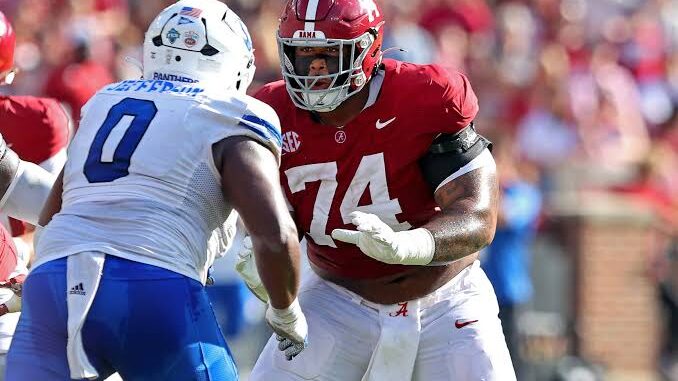
As the offseason conversation intensifies around the Detroit Lions, one theme has become impossible to ignore in the latest wave of national mock drafts: the offensive line is dominating projected selections. Analysts across major outlets appear aligned in their belief that bolstering the trenches could be the franchise’s top priority heading into the 2026 NFL Draft.
It’s a familiar formula for general manager Brad Holmes and head coach Dan Campbell. Since arriving in Detroit, the front office has placed heavy emphasis on building through the line of scrimmage. That philosophy helped transform the Lions from rebuilding hopefuls into legitimate contenders. Now, with questions surrounding depth, long-term contracts, and durability along the offensive front, mock drafts are projecting a continuation of that approach.
Several projections have the Lions targeting interior linemen capable of stepping into starting roles early. While the team still boasts cornerstone talent, including All-Pro tackle Penei Sewell, there are growing concerns about depth behind the starters. Injuries late last season exposed how thin the unit can look when even one piece is missing. Mock drafters have taken note, frequently linking Detroit to versatile guards and centers who can play multiple spots.
Others believe the Lions could address the future at tackle. Though Sewell remains one of the league’s premier right tackles, draft analysts point out the importance of securing cost-controlled talent at premium positions. Selecting a young tackle would not only provide insurance but also maintain the physical identity that has defined Campbell’s tenure.
The reasoning is straightforward. Detroit’s offense thrives when quarterback Jared Goff operates from a clean pocket. The Lions’ play-action attack and power run game are built on dominance up front. When protection falters, the entire system becomes less explosive. Mock drafts projecting offensive linemen suggest analysts believe sustaining that identity is more urgent than adding another skill-position weapon.
That’s not to say other needs don’t exist. Some mock drafts have flirted with defensive prospects, particularly along the edge or in the secondary. But the overwhelming trend in recent projections shows offensive linemen coming off the board to Detroit more frequently than any other position group. It reflects both the strength of the upcoming draft class in the trenches and the Lions’ established blueprint for roster construction.
Another factor influencing projections is financial planning. As Detroit prepares for future extensions and navigates salary cap considerations, adding young, affordable linemen could help balance the books. Veteran offensive linemen often command significant contracts on the open market. Drafting and developing replacements before financial pressure mounts is widely viewed as smart asset management.
There’s also the psychological element. The Lions’ resurgence has been tied to toughness and physicality. Campbell has repeatedly emphasized winning in the trenches. Draft analysts often connect front-office tendencies with future selections, and Detroit’s history under Holmes points strongly toward reinforcing strengths rather than chasing flashy upgrades.
Ultimately, mock drafts are educated guesses, not guarantees. Draft boards shift, prospects rise and fall, and unexpected opportunities emerge on draft night. However, the current consensus is clear: if trends hold, the Lions could once again invest premium draft capital in protecting their franchise quarterback and powering their ground game.
If that proves accurate, it would signal continuity rather than complacency. For a team aiming to remain among the NFC’s elite, doubling down on the offensive line might be less about fixing a weakness and more about preserving a foundation that has already delivered sustained success.
Be the first to comment