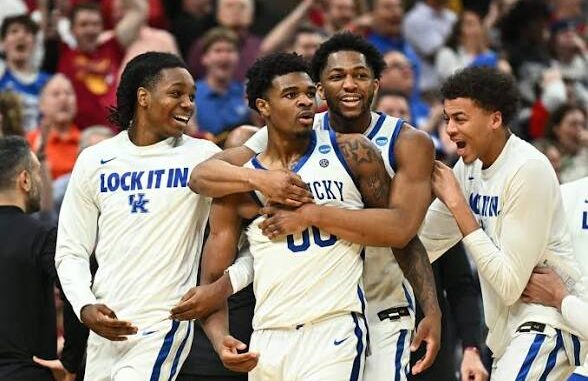
In an era where college athletics is being reshaped by NIL (Name, Image, and Likeness) deals, conference realignment, and rising operational costs, the Kentucky Wildcats are emerging as one of the most forward-thinking programs in the country. Their evolving strategy to generate revenue is not just about keeping pace—it’s about setting the standard for other major programs navigating the same financial pressures.
At the heart of Kentucky’s approach is diversification. Rather than relying solely on traditional income streams such as ticket sales, television rights, and donor contributions, the university has embraced innovative partnerships and monetization opportunities. This includes leveraging NIL collectives more strategically, aligning them with broader athletic department goals instead of treating them as independent entities. By doing so, Kentucky ensures that its athletes are well-compensated while maintaining a level of organizational control and sustainability.
One of the standout elements of their strategy is the integration of corporate partnerships into the fan experience. Kentucky has aggressively expanded sponsorship deals, not just through signage or commercials, but by embedding brands into game-day environments, digital platforms, and exclusive content. This creates a more immersive experience for fans while unlocking new revenue streams that go beyond conventional advertising.
Additionally, Kentucky has leaned heavily into premium experiences. Luxury seating, VIP packages, and exclusive behind-the-scenes access have become central to their revenue model. These offerings cater to high-end donors and corporate clients willing to pay a premium for a more personalized connection to the program. In a competitive landscape where every dollar counts, maximizing per-fan revenue has proven to be a smart and scalable move.
Another key pillar is digital transformation. Kentucky has invested in content creation, social media engagement, and streaming platforms to expand its global reach. By building a strong digital presence, the program not only enhances its brand but also opens the door to monetization through subscriptions, sponsorships, and targeted advertising. This is particularly important as younger audiences increasingly consume sports content online rather than through traditional broadcasts.
Importantly, Kentucky’s strategy also reflects a shift in mindset. Instead of viewing rising costs—such as athlete compensation and facility upgrades—as burdens, the program treats them as investments. The logic is simple: spend smartly now to build a product that attracts more fans, more sponsors, and ultimately more revenue. It’s a calculated risk, but one that aligns with the realities of modern college sports.
This approach could serve as a blueprint for other big spenders, especially those in power conferences facing similar challenges. Programs with strong brands and large fan bases are particularly well-positioned to replicate Kentucky’s model. However, success requires more than just resources—it demands creativity, coordination, and a willingness to adapt.
There are, of course, potential pitfalls. Over-commercialization could alienate traditional fans, and the pressure to continuously generate revenue may lead to unsustainable spending. But Kentucky appears to be balancing innovation with caution, ensuring that growth does not come at the expense of long-term stability.
Ultimately, the Wildcats are demonstrating that the future of college athletics belongs to those who think beyond the conventional playbook. By embracing change and proactively seeking new revenue streams, Kentucky is not just surviving in a rapidly evolving landscape—it is thriving. And for other programs looking to keep up, the message is clear: bold strategies are no longer optional—they are essential.
Be the first to comment