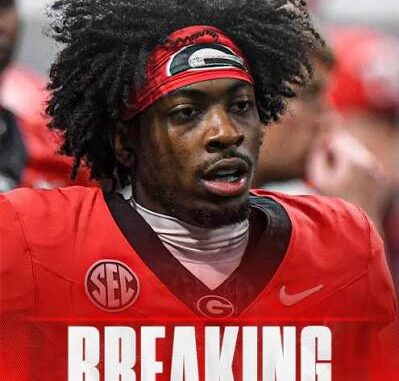
The post-spring buzz surrounding Georgia football took an unexpected turn following reports that former Bulldogs wide receiver Zachariah Branch was arrested in Athens shortly after the program’s annual G-Day spring game. The incident has quickly become a talking point among fans and analysts, casting a shadow over what is typically a celebratory moment marking the end of spring practice.
Branch, a highly touted talent known for his explosiveness and playmaking ability, had previously generated significant excitement during his time with Georgia. Though no longer with the program, his name remains familiar to the fan base, making the news of his arrest all the more notable. Details surrounding the incident are still emerging, but early reports indicate that local authorities detained Branch in the Athens area following events connected to G-Day festivities.
G-Day, one of the most anticipated dates on Georgia’s offseason calendar, serves as a showcase for the team’s progress heading into the fall. Fans pack the stadium, eager to catch a glimpse of rising stars and returning veterans. This year’s edition was no different, drawing a large crowd and generating optimism about the Bulldogs’ prospects. However, the news involving Branch has shifted part of the conversation away from on-field performances to off-field concerns.
While specifics of the charges or circumstances leading to the arrest have not been fully disclosed, situations like this often raise broader questions about athlete conduct and decision-making during high-profile events. Spring games, while structured as team activities, are also social occasions that bring together players, fans, and the wider community. Managing that environment responsibly is an ongoing challenge for programs across college football.
For Georgia, the situation does not directly impact the current roster, given that Branch is no longer part of the team. However, any incident involving a former player can still reflect on the program’s broader culture in the eyes of the public. Head coach Kirby Smart and his staff have consistently emphasized discipline and accountability, values that have been central to the Bulldogs’ sustained success in recent years.
From a player perspective, moments like this serve as reminders of the scrutiny that comes with being a high-profile athlete. Even after leaving a program, former players often remain in the spotlight, particularly in college towns like Athens where football is deeply ingrained in the community. Decisions made off the field can carry consequences that extend well beyond the immediate situation.
As more information becomes available, there will likely be greater clarity about what transpired and what legal steps may follow. For now, the focus remains on understanding the facts while avoiding premature conclusions. Fans and observers alike will be watching closely to see how the situation unfolds and whether it leads to any longer-term repercussions for Branch.
In the meantime, Georgia football will look to move forward, keeping attention on the development of its current roster as preparations continue for the upcoming season. The G-Day game may have provided valuable insights into the team’s progress, but the headlines in its aftermath serve as a reminder that the narrative surrounding college football often extends beyond the field.
Be the first to comment