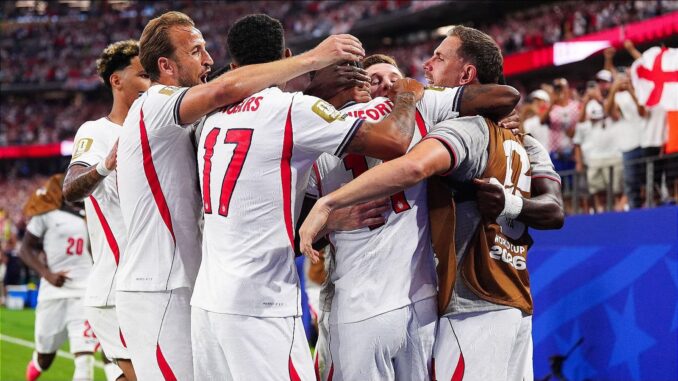
The 2026 FIFA World Cup clash between England and Croatia was one of the most anticipated matches of the tournament’s opening week, attracting millions of viewers across television, streaming platforms, social media, and mobile networks. England’s thrilling 4-2 victory over Croatia in Dallas generated significant digital activity and provided an excellent case study of how major sporting events influence broadband traffic patterns worldwide.
Major football tournaments have long been known to create spikes in internet usage. However, the growth of streaming services, second-screen viewing habits, and social media engagement has amplified the effect. During England v Croatia, broadband providers across the United Kingdom experienced heightened demand as supporters streamed the match through online platforms while simultaneously engaging on social networks, messaging applications, and sports websites. The game was broadcast live on ITV and available through online streaming services, encouraging a large volume of internet traffic.
Traffic patterns during live sporting events typically follow a predictable structure. Broadband demand increases sharply in the hour leading up to kick-off as viewers connect to streaming platforms and access pre-match analysis. During the match itself, network usage remains consistently high, particularly during key moments such as goals, penalties, and controversial refereeing decisions. England’s match against Croatia featured six goals, including two from Harry Kane, a strike from Jude Bellingham, and a late goal from Marcus Rashford, creating several moments that triggered surges in online activity.
Social media platforms also played a major role in broadband consumption. Fans shared reactions, highlights, statistics, and memes throughout the match. Every goal generated thousands of posts and interactions within seconds. The discussion surrounding Harry Kane equalling Gary Lineker’s England World Cup goals record further increased engagement levels across digital platforms. As a result, broadband networks had to support not only video streaming traffic but also substantial volumes of real-time social media data.
The match’s significance extended beyond the United Kingdom. England and Croatia both have large international fan bases, while the World Cup itself attracts a global audience. This worldwide interest contributed to increased traffic across content delivery networks, streaming servers, and cloud infrastructure. Providers rely on advanced traffic management technologies and distributed content delivery systems to ensure smooth viewing experiences during such high-demand events.
Another important factor is the growing use of mobile broadband. Many supporters followed the match while travelling, at work, or in public venues, relying on 4G and 5G networks rather than fixed-line broadband. This trend places additional pressure on mobile operators, particularly during high-profile fixtures involving major football nations such as England.
The England v Croatia encounter demonstrated how modern sporting events have become digital events as much as sporting spectacles. Broadband traffic today is driven not only by live viewing but also by real-time interaction, streaming highlights, fantasy football updates, and social media engagement. With England opening their World Cup campaign in a dramatic and entertaining fashion, internet networks were tested by millions of simultaneous users eager to watch, react, and share the experience online. The match highlighted the increasingly critical role broadband infrastructure plays in delivering the modern football experience.
Be the first to comment