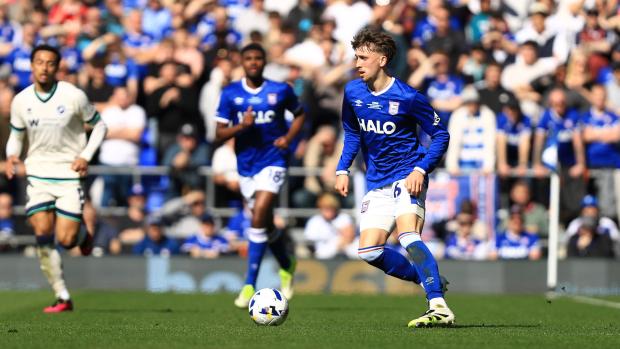
Ipswich Town’s 1–1 draw against Millwall offered plenty of talking points, with both sides showing flashes of quality but ultimately cancelling each other out. Here are five key observations from a match that highlighted resilience, tactical discipline, and areas still needing improvement for Ipswich.
1. Ipswich’s Strong Start Set the Tone
Ipswich began the game with clear intent, pressing high and moving the ball quickly through midfield. Their early dominance allowed them to dictate possession and pin Millwall back in their own half. This approach paid off with a well-worked opening goal, reflecting the confidence and structure that has become a hallmark of their play. However, their inability to build further on that momentum would later prove costly.
2. Missed Chances Came Back to Hurt
Despite their promising start, Ipswich failed to convert several key opportunities. Their attacking players found space between the lines, but the final pass or finish often lacked precision. In tightly contested matches like this, taking chances is crucial, and Ipswich’s wastefulness kept Millwall within reach. It’s an issue that has surfaced before and remains a barrier to turning draws into wins.
3. Millwall’s Physicality Shifted the Game
As the match progressed, Millwall began to impose themselves physically. Their direct style disrupted Ipswich’s rhythm, forcing turnovers and limiting the home side’s ability to control possession. Long balls and aggressive pressing helped Millwall gain territory, and they grew into the game as Ipswich struggled to maintain their earlier tempo. This shift underlined Ipswich’s need to better handle physical, high-intensity opposition.
4. Defensive Lapse Proved Costly
Ipswich’s defence had looked relatively comfortable for much of the match, but one moment of lapse allowed Millwall back into the contest. A breakdown in communication and marking led to the equaliser, undoing much of their earlier good work. While such mistakes can happen, they highlight the importance of concentration and organisation, especially when protecting a narrow lead.
5. Positives in Control, but Ruthlessness Needed
Overall, Ipswich showed enough quality to suggest they are a well-coached and competitive side. Their ability to control spells of the game, create chances, and maintain structure is encouraging. However, the draw once again emphasised the need for greater ruthlessness in both boxes—finishing chances at one end and eliminating errors at the other.
In conclusion, the 1–1 result reflects a game where Ipswich Town had the upper hand in many phases but failed to capitalise fully. Millwall deserve credit for their resilience and adaptability, but Ipswich will likely view this as two points dropped rather than one gained. If they can address their inefficiency in front of goal and tighten up defensively, performances like this could soon translate into more consistent victories.
Be the first to comment