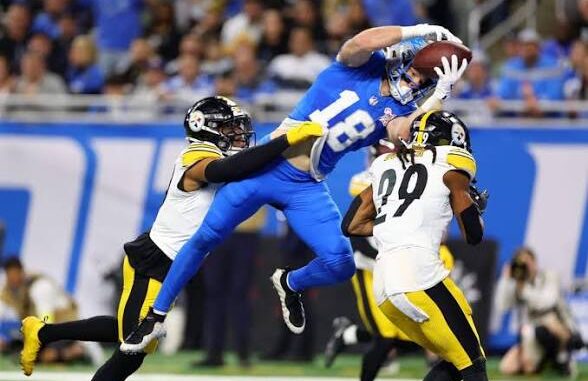
As the 2026 NFL season approaches, the Detroit Lions find themselves in a familiar yet pivotal position: a talented roster on the brink of contention, but with crucial depth chart decisions that could define their campaign. Nowhere is this more evident than along the offensive line and at edge rusher—two areas that will heavily influence both sides of the ball.
The Lions’ offensive line has been one of the team’s biggest strengths in recent seasons. Anchored by standout talents like Penei Sewell and Frank Ragnow, Detroit boasts a unit capable of dominating in both pass protection and the run game. Their physicality has been central to the team’s identity under head coach Dan Campbell, who emphasizes toughness and control at the line of scrimmage.
However, even elite units face questions. Depth remains a concern, especially with injuries inevitably playing a role over the long NFL season. The Lions must decide how to structure their interior line rotation and whether younger players are ready to step into larger roles. Versatility will be key—having linemen who can shift between guard and tackle could prove invaluable. Additionally, contract situations and long-term planning may influence who earns starting spots versus rotational roles.
Protecting quarterback Jared Goff is non-negotiable. Goff thrives when given time in the pocket, and the Lions’ offense is built around rhythm, timing, and a strong ground game. Any drop-off in offensive line performance could disrupt the entire system. This makes training camp battles particularly important, as the coaching staff evaluates not just talent, but cohesion and communication across the unit.
On the defensive side, the spotlight shifts to the edge rusher position—a group that has shown flashes but still seeks consistency. The emergence of Aidan Hutchinson has been a major positive. Hutchinson has quickly developed into one of the league’s most promising pass rushers, combining motor, technique, and leadership. Yet, he cannot carry the pass rush alone.
The Lions must identify a reliable counterpart who can complement Hutchinson and keep opposing offenses guessing. Whether that solution comes from within the current roster or through a new addition remains to be seen. Rotational depth is equally important; fresh legs late in games can make the difference between a crucial sack and a missed opportunity.
Defensive coordinator Aaron Glenn’s scheme relies heavily on pressure from the front four, allowing the secondary to operate more effectively. Without a consistent edge presence opposite Hutchinson, quarterbacks will have too much time to exploit gaps in coverage. This places added urgency on the Lions’ front office and coaching staff to get these decisions right.
Ultimately, the Lions’ success in 2026 may hinge on these two position groups. A dominant offensive line can control games and protect their offensive identity, while a dynamic edge rushing unit can tilt defensive battles in their favor. For a team with playoff ambitions, fine margins matter.
As training camp unfolds and preseason games provide clarity, all eyes will be on how the depth chart takes shape. The Detroit Lions have built a strong foundation—but turning potential into sustained success will depend on making the right calls in the trenches.
Be the first to comment