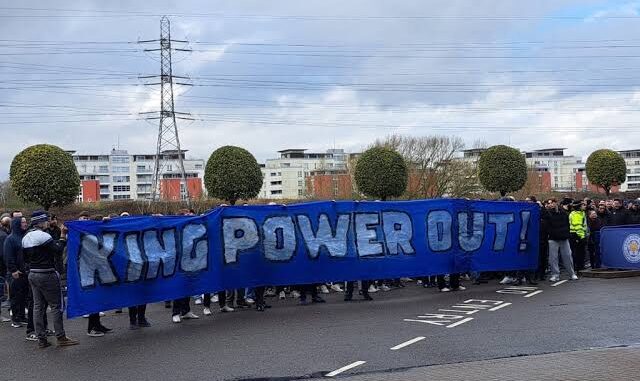
It has been another eventful week around Leicester City, with events both on and off the pitch shaping the mood among supporters. From the much-discussed protest at the King Power Stadium to the surprise return of Enzo Maresca and fresh questions about Jordan James, fans have had plenty to talk about.
Here, we break it down in a Q+A format.
What was the outcome of the King Power protest?
The protest before kick-off reflected growing frustration among sections of the fanbase. Chants directed at the board and visible banners signalled dissatisfaction with the club’s direction, recruitment strategy, and recent performances. While the demonstration was peaceful, it was impossible to ignore the message: supporters want clearer communication and stronger leadership.
In practical terms, protests rarely create instant change. However, they can influence tone and urgency behind the scenes. Club executives are acutely aware of atmosphere, and sustained unrest often accelerates internal reviews. The key outcome here is not an immediate sacking or structural overhaul, but heightened pressure. The board now faces a delicate balancing act — backing the current project while proving they are responsive to supporter concerns.
Players, too, are affected by the environment. A tense stadium can weigh heavily, particularly on younger members of the squad. The hope within the club will be that dialogue opens up rather than divisions deepen.
Why did Enzo Maresca visit, and what does it mean?
Maresca’s appearance raised eyebrows given his recent departure and mixed feelings about how his tenure unfolded. His visit, however, was reportedly cordial and professional rather than political. In football, former managers often maintain relationships with staff and players, especially when there are no deep personal rifts.
The Italian remains highly regarded in coaching circles for his tactical acumen and development work. His return to familiar surroundings was not a sign of imminent change but more a reflection of ongoing respect. For some fans, seeing him back stirred nostalgia for a clearer footballing identity. For others, it reopened debate about whether the club moved on too quickly.
Importantly, the visit should not be overinterpreted. Clubs are fluid ecosystems, and professional networks extend beyond formal contracts. Unless results deteriorate sharply, there is no indication that a managerial reshuffle is imminent.
What role can Jordan James play going forward?
Jordan James represents a different kind of talking point — one centred on the future rather than the past. The young midfielder is viewed internally as energetic, disciplined, and tactically adaptable. His ability to break lines with forward runs while maintaining defensive awareness fits the modern Championship and Premier League hybrid demands.
The challenge for James is consistency. Leicester’s midfield has often lacked balance this season, alternating between creativity and control without always finding both simultaneously. James offers dynamism, but he must sharpen decision-making in possession to cement a starting role.
If integrated carefully, he could become a key rotational piece, especially in high-intensity fixtures where pressing and transitions are decisive. Supporters eager for academy or young talent to flourish will see him as symbolic of a broader reset — a shift toward hunger and development over short-term fixes.
The bigger picture
Ultimately, these three strands — protest, past manager, emerging midfielder — tell the same story. Leicester are in a period of recalibration. The ambition remains, but alignment between ownership, coaching staff, players, and fans is still being rebuilt.
Whether that alignment strengthens in the coming weeks may define not only this season, but the direction of the next chapter at King Power.
Be the first to comment