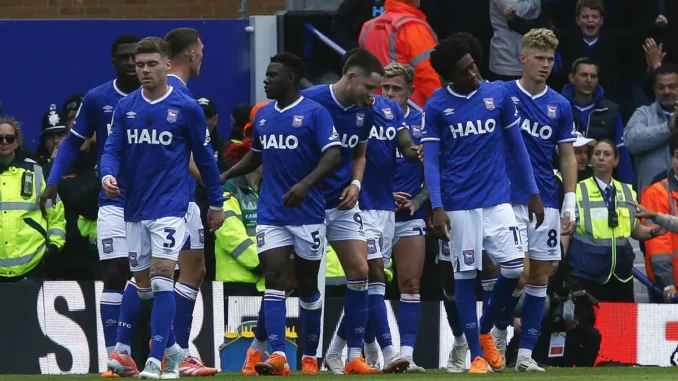
Ipswich Town head into February and March facing what could be a defining stretch of their season. With the campaign entering its latter stages, momentum, squad depth and mental resilience will likely determine whether the Tractor Boys push toward their ambitions or find themselves looking nervously over their shoulders.
February often brings a congested fixture list, and that will test Ipswich’s ability to rotate without losing rhythm. Expect manager Kieran McKenna to lean on his trusted core while gradually integrating fringe players to keep legs fresh. One prediction for this period is a continued emphasis on structured possession. McKenna’s side has built its identity around patient build-up and intelligent movement between the lines, and that approach should remain central even when fatigue threatens fluency.
Results-wise, Ipswich are likely to collect steady, if not spectacular, returns in February. Home form could be especially important. Portman Road has the potential to be a decisive factor, and expect at least two strong performances on home soil that yield vital points. Against direct rivals, Ipswich may adopt a slightly more pragmatic edge—tight defensive shape, disciplined pressing triggers, and calculated risks rather than expansive attacking displays.
March, however, may prove more dramatic. As the table begins to crystallise, pressure intensifies. Teams fighting for promotion or survival often produce unpredictable outcomes, and Ipswich will need composure. One bold prediction is that March will feature a statement victory—possibly away from home—against a side currently positioned above them. Such a result could act as a psychological turning point, reinforcing belief within the squad.
Key players will inevitably shape this run. The midfield engine room must maintain tempo control, while the attacking unit needs to convert half-chances more ruthlessly. If Ipswich can average two goals per game across these months, their chances of climbing the table increase significantly. Defensive consistency is equally vital. Clean sheets may be hard to come by, but limiting individual errors will be a clear focus on the training ground.
Another factor to consider is squad fitness. Injuries often spike during this stage of the season. Should Ipswich avoid losing multiple starters simultaneously, their continuity could give them an edge over rivals struggling with depleted rosters. Young players may also receive opportunities—March in particular can reward fearless energy and hunger from emerging talents eager to prove their worth.
Tactically, expect minor tweaks rather than wholesale changes. McKenna is unlikely to abandon the philosophy that brought progress, but situational flexibility—such as switching to a more compact shape when protecting a lead—could become more common. Game management will be under scrutiny, especially in tight contests decided by fine margins.
In terms of points projection, a realistic expectation would be between 10 and 14 points collected across February and March combined, depending on fixture difficulty. That haul would keep Ipswich firmly in contention for their seasonal targets and set up an intriguing final stretch in April.
Ultimately, these two months could define the narrative of Ipswich Town’s campaign. If composure matches ambition and performance levels remain consistent, February and March may be remembered as the period when belief turned into tangible progress.
Be the first to comment