Leicester City’s season will be remembered as a slow, painful unraveling—one that exposed deep structural issues rather than a single moment of failure. What makes this campaign particularly troubling is that it wasn’t defined by bad luck or isolated setbacks, but by a chain reaction of poor decisions, miscalculations, and a lack of clear direction at nearly every level of the club.
At the heart of the problem was recruitment. Leicester’s transfer strategy appeared confused, caught between short-term fixes and long-term planning without fully committing to either. Key departures in previous seasons had already weakened the spine of the squad, yet replacements failed to match the quality or leadership that was lost. Instead of reinforcing critical areas, the club gambled on players who either struggled to adapt or were not suited to the demands of a gruelling Championship campaign. The result was a squad lacking balance, depth, and identity.
Managerial instability compounded those issues. The changing of voices in the dugout did little to steady the ship. Rather than providing a clear tactical philosophy, the team often looked uncertain—unsure whether to play expansively or adopt a more pragmatic approach. This inconsistency filtered down to performances on the pitch, where Leicester frequently appeared disjointed. Matches were lost not only through individual errors but through systemic confusion, with players seemingly unclear about their roles and responsibilities.
Defensively, Leicester were particularly vulnerable. A team once known for resilience and organization became alarmingly easy to break down. Poor positioning, lapses in concentration, and an inability to deal with set-pieces turned routine situations into crises. Even when the attack showed flashes of promise, those defensive frailties undermined any progress. Conceding soft goals became a recurring theme, draining confidence and putting the team on the back foot far too often.
The midfield, traditionally a strength for Leicester, also failed to function effectively. There was a noticeable lack of control and creativity, leaving the forwards isolated and forcing the defense under constant pressure. Without a cohesive link between defense and attack, Leicester struggled to impose themselves in games. Too often, they were reactive rather than proactive, chasing matches instead of dictating them.
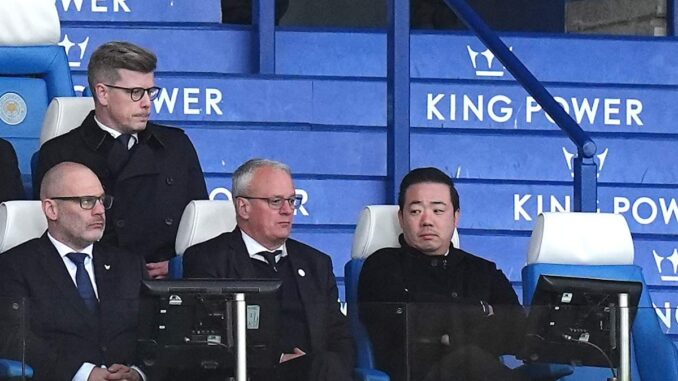
Off the pitch, questions must also be asked of the club’s leadership. Strategic decisions—from recruitment to managerial appointments—suggest a lack of coherent planning. The absence of a clear long-term vision left Leicester drifting, reacting to problems rather than anticipating them. In modern football, where marginal gains and careful planning can make the difference, such shortcomings are costly.
Perhaps most concerning was the apparent erosion of belief. As results deteriorated, confidence visibly drained from the squad. What began as a season with cautious optimism quickly turned into one dominated by anxiety. The pressure of expectation, combined with poor form, created a negative cycle that proved difficult to escape. Even winnable matches became daunting, with the team often lacking the mental resilience required to turn situations around.
In the end, Leicester’s disastrous season cannot be attributed to a single failure. It was the culmination of flawed recruitment, tactical inconsistency, defensive fragility, and questionable leadership. Each issue fed into the next, creating a perfect storm that the club could not weather.
The post-mortem must now be brutally honest. If Leicester are to recover, they need more than minor adjustments—they require a fundamental reset. Clear leadership, a defined playing philosophy, and smarter recruitment will be essential. Without those changes, the risk is not just one bad season, but a prolonged period of decline.
Be the first to comment