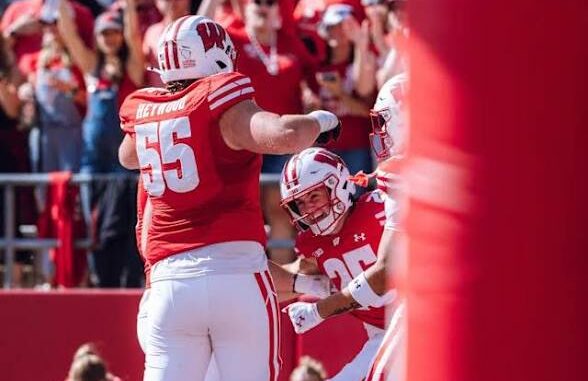
Spring football is often described as a laboratory, and over the past week, the Wisconsin Badgers have fully embraced that identity. With several practices packed into a short span, the coaching staff has used the opportunity to evaluate depth, experiment with schemes, and begin shaping the roster ahead of the 2026 season.
One of the most noticeable themes throughout the week has been the emphasis on quarterback development. With competition still open, reps have been distributed deliberately to give multiple players a chance to lead the offense. Decision-making, timing, and command of the huddle have been closely monitored. While no clear starter has emerged, there have been flashes of consistency, particularly in short and intermediate passing situations. Coaches appear less concerned with highlight plays and more focused on efficiency and limiting mistakes.
The running back room, traditionally a strength for Wisconsin, has shown encouraging depth. Several backs have rotated through first-team reps, and the emphasis has been on versatility. In addition to the expected power running between the tackles, the staff has incorporated more outside zone concepts and passing-game involvement. This evolution suggests a desire to modernize the offense while maintaining the physical identity the program is known for.
At wide receiver, the week has been about building chemistry and reliability. Route precision and catching consistency were points of emphasis in drills, and there were visible improvements as practices progressed. Younger players, in particular, have taken advantage of increased reps, showing the ability to stretch the field and create separation. The group still lacks a proven star, but the collective depth could become a strength if development continues on this trajectory.
The offensive line, a cornerstone of the Badgers’ identity, has experienced its share of ups and downs. With a mix of returning veterans and inexperienced players, communication and cohesion have been key talking points. There were moments where the unit dominated in run-blocking drills, opening clear lanes for backs. However, pass protection remains a work in progress, especially against more complex defensive looks. The coming weeks will be crucial in solidifying a consistent starting five.
Defensively, the past week has highlighted increased aggressiveness. The front seven has been particularly active, with linebackers and defensive linemen generating pressure during team periods. There is a noticeable effort to disrupt plays earlier rather than simply reacting. This shift has resulted in several tackles for loss and hurried throws, indicating a more attacking philosophy.
The secondary has also been tested, especially against the evolving passing game. Communication in coverage has improved, but there are still occasional breakdowns that lead to big plays. Coaches have stressed discipline and awareness, particularly in zone schemes. As the unit continues to gel, reducing these mental errors will be a priority.
Special teams have not been overlooked during this stretch. Kicking and return units have received consistent attention, with an emphasis on execution and situational awareness. Field position remains a critical factor, and the staff appears committed to finding reliable contributors in these roles.
Overall, the past week of spring practices has provided valuable insights into the direction of the team. While there are still unanswered questions—particularly at quarterback and along the offensive line—the foundation is being laid. The Wisconsin Badgers are clearly focused on blending tradition with adaptation, aiming to build a balanced and competitive squad for the upcoming season.
Be the first to comment