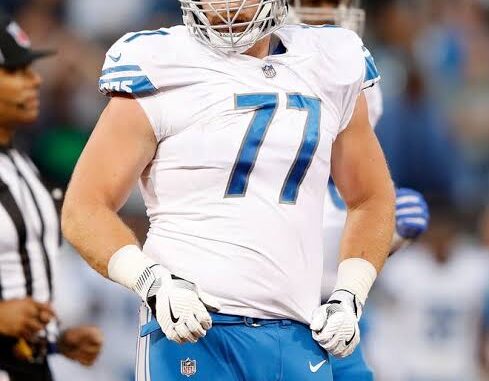
The Detroit Lions found themselves under scrutiny after reports emerged that Pro Bowl center Frank Ragnow was required to repay a portion of a previously awarded bonus. The situation sparked debate among fans and analysts, with many questioning both the timing and the reasoning behind the decision. However, team president Rod Wood has since addressed the issue, offering clarity on what he described as a contractual obligation rather than a punitive measure.
Ragnow, widely regarded as one of the premier centers in the NFL, has been a cornerstone of the Lions’ offensive line since being drafted in 2018. Known for his toughness and leadership, his importance to the team extends beyond his on-field performance. That is why news of the repayment requirement came as a surprise to many, especially given his reputation as a model professional.
According to Wood, the repayment stems from standard clauses embedded in NFL contracts. These clauses often relate to bonuses that are prorated over the life of a deal. If certain conditions are not met—such as availability, roster status, or contract restructuring—teams may be entitled to recoup portions of those bonuses. In Ragnow’s case, the issue reportedly tied back to specific contractual terms that were triggered under circumstances that the team insists were clearly outlined from the outset.
Wood emphasized that the decision was not a reflection of dissatisfaction with Ragnow’s performance or commitment. Instead, he framed it as a matter of adhering to the financial framework governed by the league’s collective bargaining agreement. “These are mechanisms that exist across the NFL,” Wood explained, noting that similar situations occur more frequently than the public realizes, though they rarely gain widespread attention.
The NFL’s salary cap system often forces teams into difficult financial decisions, and front offices must carefully manage contracts to maintain flexibility. Bonus structures, while beneficial for players in providing upfront security, can become complex when injuries, roster moves, or renegotiations come into play. For the Lions, navigating these financial intricacies is part of a broader strategy aimed at building a competitive roster while staying within league rules.
From Ragnow’s perspective, the situation adds another layer to what has already been a physically demanding career. The veteran lineman has battled injuries in recent seasons, yet he has consistently demonstrated resilience and a willingness to play through pain for the benefit of his team. While neither Ragnow nor his representatives have publicly criticized the decision, the development inevitably raises questions about how such matters impact player-team relationships.
Despite the controversy, there is little indication that this issue will create long-term friction between Ragnow and the organization. The Lions are in a period of resurgence, with a strong core of players and a renewed sense of optimism surrounding the franchise. Maintaining unity within the locker room will be crucial as they aim to build on recent progress.
Ultimately, Wood’s explanation underscores the often misunderstood business side of professional football. While fans focus on performances on the field, decisions behind the scenes are frequently driven by contractual details and financial regulations. In this case, the Lions maintain that their actions were consistent with league practices, even if the optics have prompted debate.
As the situation settles, attention will likely return to what Ragnow does best—anchoring the offensive line and helping drive the Lions forward in their pursuit of success.
Be the first to comment