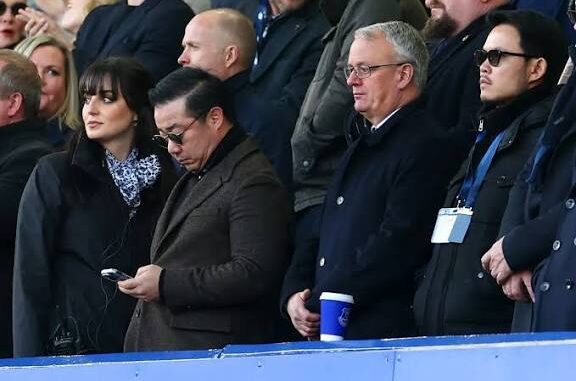
Leicester City have reportedly identified a new sporting director as the club looks to reshape its football structure ahead of a crucial period both on and off the pitch. With uncertainty surrounding the managerial position and long-term recruitment strategy, chairman Aiyawatt Srivaddhanaprabha – known to supporters as “Top” – has moved to clarify the importance of the role and how it will influence the club’s future direction.
Speaking about the appointment, Top explained that the sporting director will act as the key link between ownership and the football department. Rather than focusing solely on transfers, the role will encompass long-term squad planning, data-driven recruitment, academy integration and ensuring continuity regardless of managerial changes. It is a position designed to bring stability after a period of turbulence.
Leicester’s recent seasons have exposed the risks of short-term decision-making. Relegation from the Premier League, financial constraints and an urgent need to refresh the squad have placed enormous pressure on recruitment. Top acknowledged that lessons have been learned, stressing that the new sporting director will be empowered to build a sustainable model rather than chase quick fixes.
“The sporting director must protect the club’s philosophy,” Top reportedly told internal staff. “Managers may change, but our identity and recruitment plan must stay consistent.” That statement underlines a shift in thinking. In the past, Leicester’s transfer strategy was often closely aligned with individual managers. Now, the club wants a central figure who oversees scouting, analytics and contract planning across all levels.
One of the primary responsibilities will be overseeing recruitment within tighter financial parameters. Leicester are navigating Profit and Sustainability regulations, meaning smart trading is essential. The new sporting director is expected to prioritise younger profiles with resale value, similar to the model that once brought success through the signings of emerging talents who developed into elite performers.
Beyond transfers, academy progression will be another pillar of the role. Leicester’s youth system has produced promising players in recent years, but pathways to the first team have not always been clear. Top emphasised that the sporting director will work closely with academy coaches to create a unified playing style and smoother transition for young talents stepping up.
Communication will also be central. The chairman outlined that the sporting director will sit in regular meetings with the manager, head of recruitment and performance analysts to ensure alignment. This collaborative structure aims to prevent the disconnect that can arise when departments operate in isolation.
For supporters, the appointment signals intent. Leicester are not simply reacting to immediate challenges but attempting to modernise their structure in line with many successful European clubs. Sporting directors have become increasingly influential figures across the game, acting as architects of long-term strategy while managers focus on day-to-day coaching.
Top’s explanation suggests that the club’s ownership recognises the need for clarity and accountability. The sporting director will reportedly have authority over contract renewals, loan strategies and identifying succession plans should managerial changes occur. In short, the role is about continuity.
As Leicester prepare for another pivotal campaign, this structural adjustment could prove just as important as any signing. By defining the sporting director’s responsibilities publicly, Top has sent a message that the club is building foundations for sustained progress rather than short-term survival.
Whether the new appointment delivers immediate results remains to be seen, but the framework is clear: smarter recruitment, stronger internal alignment and a long-term vision designed to return Leicester City to stability and competitiveness.
Be the first to comment