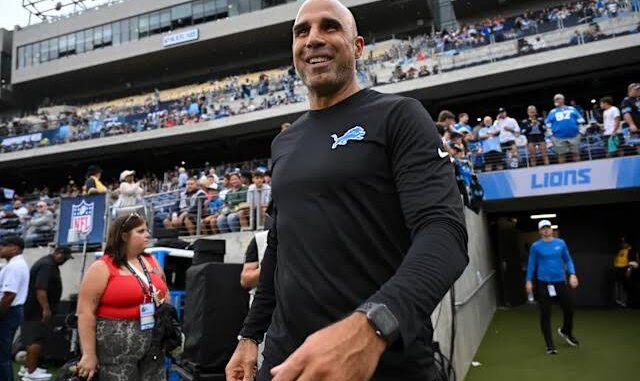
The Detroit Lions have reportedly denied the Miami Dolphins permission to interview one of their assistant coaches, a move that underlines the franchise’s determination to maintain continuity as they push to remain among the NFL’s elite. In an offseason where coaching turnover has become almost as headline-grabbing as player movement, Detroit’s decision sends a clear message: stability is non-negotiable.
Across the league, it is common practice for teams to request interviews with assistants under contract, particularly when filling coordinator or senior positional roles. However, organizations are within their rights to block such requests depending on the nature of the position and the contractual situation involved. In this case, the Lions opted to keep their staff intact, prioritizing internal cohesion over facilitating an external opportunity.
The timing of the Dolphins’ approach is significant. Miami are believed to be reassessing elements of their coaching structure after a season that fell short of expectations. Identifying bright minds from successful teams is standard procedure, and Detroit’s coaching staff has been widely praised for its innovation, discipline, and player development. That praise has naturally made several assistants attractive candidates around the league.
For the Lions, though, continuity has been a cornerstone of their recent rise. Under head coach Dan Campbell, the team has cultivated a culture built on accountability, physicality, and trust. Assistants have played a vital role in installing schemes that maximize talent on both sides of the ball. Disrupting that chemistry, even for a seemingly lateral move elsewhere, could risk unsettling a group that has worked hard to build momentum.
There is also a competitive element to consider. The NFL is a copycat league, and coaching insights are valuable currency. Allowing a respected assistant to join another franchise — particularly one in the same conference — can sometimes mean sharing schematic nuances or strategic tendencies. By blocking the interview request, Detroit may feel it is protecting both intellectual capital and locker-room stability.
From the assistant’s perspective, such decisions can be bittersweet. Opportunities to climb the coaching ladder are precious and often fleeting. Being courted by another franchise is recognition of strong work and growing reputation. Yet many coaches also value loyalty and the chance to finish what they started. If the Lions are indeed building something sustainable, remaining in Detroit could ultimately enhance that assistant’s long-term prospects.
For Miami, the rejection means turning attention elsewhere. The Dolphins have been aggressive in reshaping their roster and staff in recent years, and this setback is unlikely to derail their broader plans. Still, it highlights how competitive the market for top coaching talent has become, especially when dealing with teams reluctant to part with key contributors.
Ultimately, the Lions’ decision reflects a franchise thinking big picture. Rather than allowing short-term disruption, they are doubling down on the structure that has fueled their resurgence. In a league defined by thin margins, keeping trusted voices in place may prove as valuable as any splashy free-agent signing.
As the offseason unfolds, it will be worth watching whether other teams test Detroit’s resolve with additional requests. For now, the message is clear: the Lions believe their best chance at sustained success lies in keeping their coaching brain trust exactly where it is.
Be the first to comment