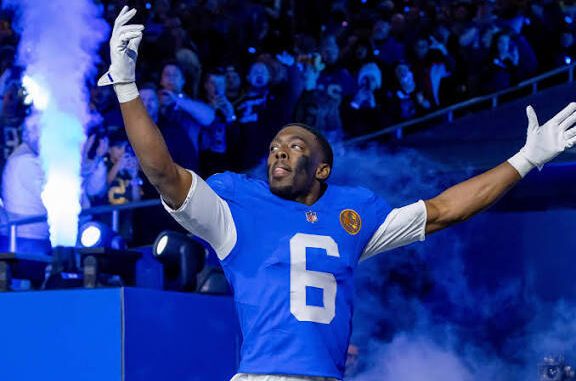
The Detroit Lions have not been shy about addressing their secondary. Over the past two offseasons, general manager Brad Holmes has poured significant resources into the cornerback room, whether through high draft picks, free-agent signings, or extensions designed to stabilize a once-vulnerable unit. Now, as the 2026 offseason begins, the message is simple: it’s time for the cornerbacks to justify that investment.
In today’s NFL, you can’t contend without coverage players who can survive on an island. The Lions learned that the hard way during their rebuild, when explosive passing attacks routinely exposed mismatches on the outside. That reality prompted a philosophical shift. Detroit committed real money and premium draft capital to upgrade at corner, aiming to complement a defensive front built around Aidan Hutchinson and a blitz-heavy identity.
On paper, the pieces are there. The Lions have length, speed, and versatility in their cornerback group. They have players capable of playing press-man coverage, others more comfortable in off-zone, and hybrid options who can kick inside in nickel packages. That flexibility should allow defensive coordinator Aaron Glenn to disguise coverages and dial up pressure without constantly worrying about getting burned over the top.
But investment alone doesn’t equal results.
Consistency has been the lingering issue. There have been flashes of dominance — games where Detroit’s corners smothered top receivers and allowed the pass rush to feast. Yet there have also been costly lapses: missed assignments, penalties at the worst possible moments, and an inability to close out tight contests. For a team with legitimate Super Bowl aspirations, those swings can’t continue.
This offseason is about refinement. Technique, communication, and health will be key themes. The Lions need their top corners to not only stay on the field but to become tone-setters. That means limiting explosive plays, finishing tackles in space, and generating more takeaways. Detroit’s defense has improved against the run, but to take the next step, it must create short fields for Jared Goff and the offense. Interceptions and forced fumbles from the secondary can tilt playoff games.
There’s also a leadership component. As younger defensive backs develop, the veterans in the room must elevate the standard. Film study, practice intensity, and accountability matter just as much as athletic traits. The Lions’ coaching staff has emphasized competition at every position, and cornerback is no exception. No role should feel guaranteed.
Financially, the clock is ticking. Big contracts eventually squeeze the salary cap, and rookie deals don’t last forever. If the current group doesn’t deliver high-level performance, tough decisions could loom in 2027 and beyond. Holmes has shown he’s willing to move on quickly if production doesn’t match expectations.
The encouraging sign? The foundation is strong. With Hutchinson and the defensive line generating pressure, the corners won’t be asked to cover forever. If they can hold up for that critical extra second, sacks and turnovers will follow. Complementary football has been Dan Campbell’s mantra, and nowhere is that more evident than in how the secondary and pass rush must function together.
The Lions have built a roster capable of competing deep into January. But to truly break through, their cornerbacks must transform potential into production. The investment has been made. Now it’s time for returns.
Be the first to comment