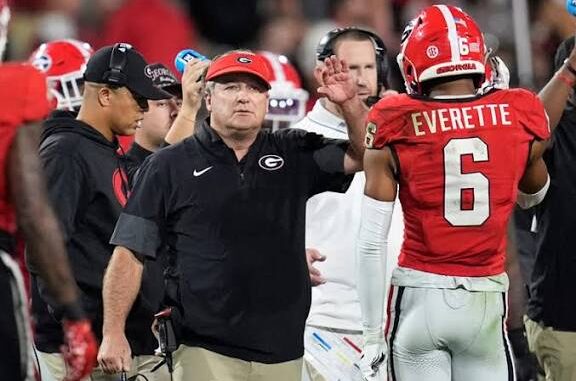
Kirby Smart has never been shy about setting standards, and when it comes to the rapidly evolving world of Name, Image and Likeness (NIL), the Georgia head coach is again making his expectations known. As NIL continues to reshape the recruiting landscape, Smart has made it clear that he wants the state of Georgia — from lawmakers to businesses and fans — to play a more active, organized role in helping the Bulldogs remain competitive.
Since NIL legislation went into effect in 2021, college football has transformed into a space where roster building is influenced as much by financial opportunities as by facilities, tradition, or NFL development. Programs with strong collective support and aligned state policies have gained a noticeable edge. Smart understands this reality. Competing annually for national championships requires not only elite coaching and recruiting but also a robust NIL infrastructure that can rival other SEC heavyweights.
Georgia has already enjoyed significant on-field success under Smart, including multiple College Football Playoff appearances and national titles. However, success alone no longer guarantees recruiting dominance. Smart has emphasized that prospects and their families are increasingly asking detailed questions about NIL structures, collective strength, and long-term earning potential. In this climate, vague assurances are not enough.
What Smart appears to want is clarity and unity. Rather than fragmented efforts, he is advocating for a coordinated approach that involves state legislators ensuring competitive NIL laws, local businesses engaging with athletes, and boosters contributing strategically through established collectives. Other states have adjusted regulations to provide institutions with greater flexibility in supporting NIL initiatives. Smart’s message suggests Georgia cannot afford to fall behind in that arms race.
Importantly, Smart is not calling for reckless spending or pay-for-play chaos. Instead, he is pushing for sustainable systems that align with compliance standards while empowering student-athletes to maximize opportunities. Georgia’s brand power is significant — a passionate statewide fan base, strong corporate presence in Atlanta, and national television exposure — but those assets must be activated effectively.
Smart has also hinted at the importance of education and transparency. NIL can be complex, and missteps can lead to NCAA scrutiny or public backlash. By encouraging statewide collaboration, Smart is effectively advocating for guardrails that protect both players and the program. Clear guidelines and organized collectives can prevent the kind of disarray that has hurt other schools navigating the new marketplace.
Recruiting battles in the SEC are rarely decided by a single factor. Facilities, coaching relationships, development track record, and conference prestige all matter. But in the NIL era, financial opportunity is undeniably part of the conversation. Smart’s straightforward tone reflects a coach who recognizes that elite competition now extends beyond the field.
For Georgia, the challenge is not starting from scratch but refining what already exists. The Bulldogs have momentum, credibility, and a winning culture. What Smart wants is reinforcement — a signal that the state stands fully behind its flagship program in this new financial frontier.
If Georgia answers that call with coordinated action and strategic investment, the Bulldogs can continue to thrive in the NIL era. If not, the margin for error in the SEC could narrow quickly. As always, Smart is focused on staying ahead — and he is making it clear that doing so will require more than just great football.
Be the first to comment