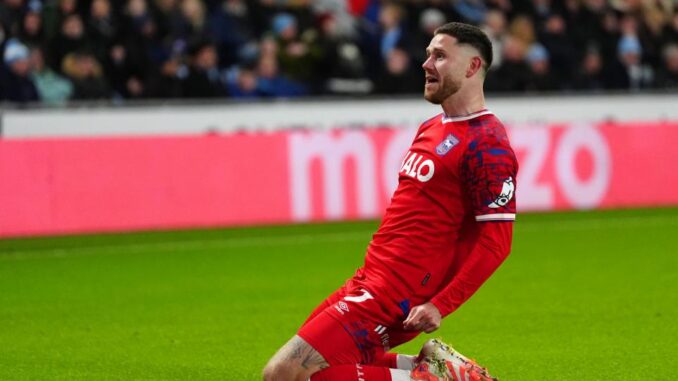
Wes Burns has never been one to shy away from hard work, and that mindset has been tested like never before following the anterior cruciate ligament (ACL) injury that temporarily halted his impressive Ipswich Town journey. For a player whose game is built on explosive pace, relentless pressing, and direct attacking intent, the setback was both physically and mentally challenging. Yet, as Burns has made clear, the road to recovery has only strengthened his determination to return stronger.
The injury came at a cruel time. Burns had established himself as a vital component of Kieran McKenna’s system, offering width, intensity, and a consistent goal threat from wide areas. His ability to stretch defences and track back tirelessly made him a fan favourite and a manager’s dream. When the diagnosis confirmed a serious ACL issue, the reality of a long rehabilitation period quickly set in.
Speaking about the moment he learned the extent of the injury, Burns admitted it was difficult to process. “At first, it’s a shock,” he explained. “You go from playing week in, week out to suddenly thinking about months rather than matches.” Like many players facing long-term injuries, there were early frustrations, particularly watching from the sidelines while teammates continued Ipswich’s push forward.
However, Burns has been quick to credit the club’s medical staff and support network for helping him navigate the toughest periods. From surgery through the early stages of rehab, the focus has been on patience and precision rather than rushing the process. “You have to trust the professionals and trust the plan,” Burns said. “Every small milestone matters.”
Rehabilitation from an ACL injury is as much mental as it is physical, and Burns acknowledged that staying positive has been crucial. Daily gym sessions, controlled pitch work, and gradual increases in intensity have replaced the adrenaline of matchdays. To stay connected, Burns has remained heavily involved with the squad, attending training sessions and matchdays to support his teammates. That sense of belonging, he says, has helped maintain motivation.
Burns also highlighted the role of the manager in his recovery. McKenna’s clear communication and long-term perspective reassured him that his place in the squad remains secure. “The gaffer has been brilliant,” Burns noted. “There’s no pressure to come back too soon. It’s all about coming back right.” That trust aligns with Ipswich Town’s broader philosophy of development, care, and sustainability.
As his recovery progresses, Burns has begun to look ahead with optimism. While acknowledging there is still work to be done, he feels stronger and more aware of his body than ever before. The time away from competitive football has allowed him to reflect on his game, study opponents, and identify areas for improvement beyond pure physical attributes.
For Ipswich Town supporters, Burns’ eventual return will feel like a new signing. His pace, work rate, and directness remain key weapons, particularly as the club continues to compete at a high level. Burns himself is clear about his goal: not just to return, but to contribute at an even higher standard.
“I want to come back better than before,” he said. “This injury doesn’t define me — how I respond to it does.”
That response, marked by resilience, discipline, and unwavering belief, encapsulates both Wes Burns as a player and Ipswich Town as a club. His road to recovery may be long, but it is paved with purpose — and the finish line is firmly in sight. 💙⚽️
Be the first to comment